The Next Step in Implementing a Zero Trust Security Architecture
Why the traditional castle-and-moat model is dead, and how Zero Trust Architecture with biometric authentication and defensive AI is the only viable defense in 2026.
· 7 min read
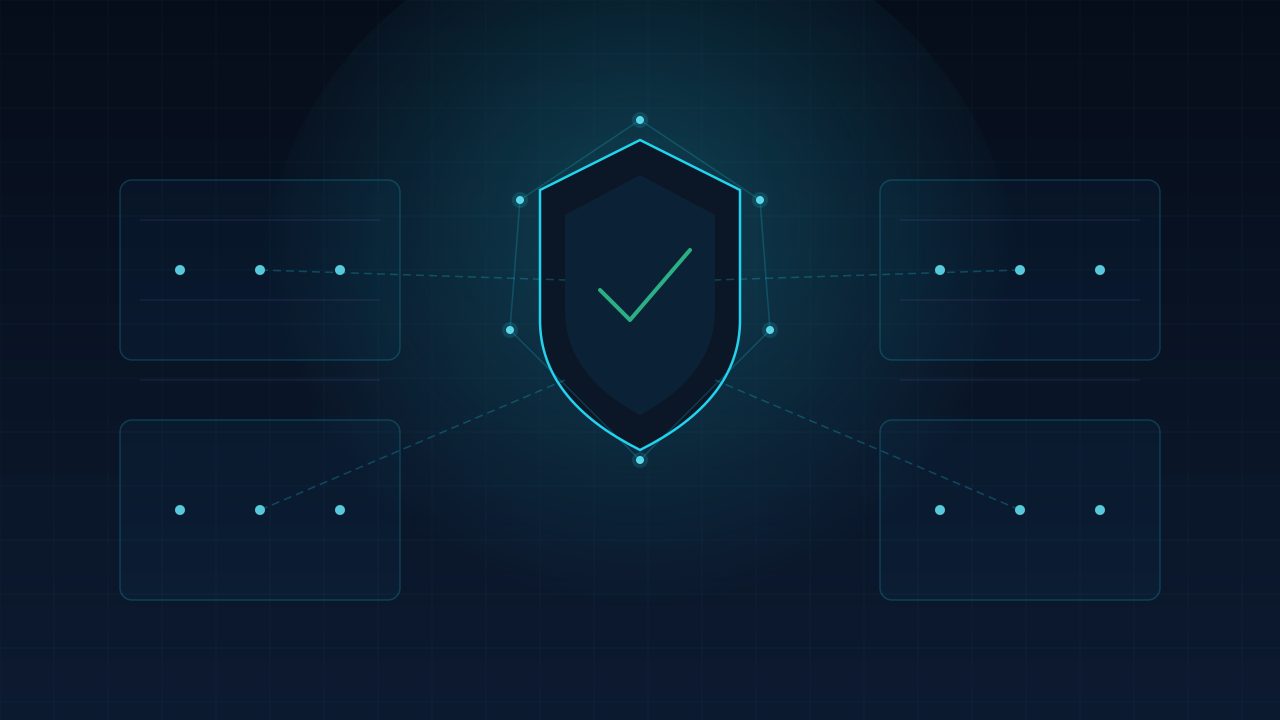
The traditional 'castle and moat' security model, which assumed that anything inside the corporate network was safe and anything outside of it was not, is a broken model. However, the only viable defense strategy in 2026 is a strict Zero Trust Architecture (ZTA).
The Principle of Least Privilege (PoLP)
The Zero Trust principle is built on the notion of never trust, always verify. All users, devices and applications are considered possible threats, no matter where they are in the network. The idea of Least Privilege is putting into practice the concept of giving employees and automated systems the minimum permissions needed to complete their assigned tasks.
You can limit the lateral flow of data across the network, so that any employee's account that is compromised does not provide the attacker an opportunity to 'pivot' and gain access to sensitive databases. Micro-segmentation is the use of isolated secure zones, which act like internal blast walls and prevent any type of breach from spreading.
Continuous Biometric and Behavioral Authentication
Even with simple two factor authentication (2FA), the password remains easy to crack by today's phishing framework. In 2026, continuous and context-aware authentication is required in Zero Trust environments. The system does not simply check for identity at sign-on, but it's constantly watching what they do during the session.
This includes studying user behavior patterns like typing speed, mouse movements, and common usage times. The system automatically denies the access to the user and alerts the security team immediately when an authenticated user accesses the site from an unusual IP address at 3:00AM to download a huge database, thus effectively eliminating the threat.
The Implementation of Defensive AI to Counter Offensive AI
You have to be even smarter than AI to beat AI. Human security teams just can't get quick enough to counteract autonomous attacks. Automated and AI-based defense solutions need to be built into the core infrastructure of tech companies.
Modern defensive AI isn't reactive. Predictive threat intel systems monitor worldwide network activity, dark web forums, and emerging malware variants to proactively look for attacks, even before they hit your servers.
These systems are designed to detect unusual network behavior that signals a potential attack. Predictive AI can map historical attack vectors, correlate them with real time data and automatically patch vulnerabilities and dynamically change firewall rules, so that your platform is always a step ahead of the attackers.
Should a breach inevitably happen, response time will be what can make the difference between a minor incident and a complete failure of the business. Automated Incident Response (IR) protocols leverage AI to immediately identify compromised servers, close any suspicious connections, and start the remediation process automatically.
These automated systems can automatically roll back the compromised or corrupted databases to their original state, deploy secure backups, and provide detailed forensic reports for security analysts. This real-time response capability significantly decreases system downtime, and limits the financial damage of a successful cyberattack.
Conclusion
The cybersecurity landscape of 2026 is an extreme environment where threats are autonomous, polymorphic malware is prevalent, and sophisticated social engineering tactics are increasingly common. Outdated security models are a recipe for failure for tech startups and large and established businesses alike. Through the comprehensive adoption of Zero Trust Architecture, with a special focus on API security, and by confronting offensive AI with predictive defensive AI, organizations can strengthen the digital border. Creating a secure web infrastructure today is not simply about safeguarding data, it is about making sure the absolute survival and credibility of your organization in an increasingly hazardous online world.
Sources are linked inline where a claim depends on external reporting.
About the author
Tom BrandtTom covers vulnerabilities, incident response and cloud infrastructure. He reads the advisories so you do not have to, and explains what actually needs patching first.
The Daily Wire
One email. Everything that mattered.
A tight morning briefing on technology, AI and gaming — written by our editors, sent at 07:00 UTC. No sponsored filler, unsubscribe in one click.
We only use your address for the newsletter. See our privacy policy.
Discussion (2)
- Ravi K.2 hours ago
The point about efficiency gains not translating into lower peak power is the part everyone misses. My last build tripped the PSU on transients despite being 200W under the rating.
- Helena W.5 hours ago
Appreciate that the recommendations include 'hold, buy a monitor instead'. Rare to read that in hardware coverage.
Related reading
How to Get Started with Cloud Computing and Web Infrastructure in 2026
From choosing the right cloud service model to securing your servers, here's a complete guide to building fast, scalable web infrastructure in 2026.
How to Defend Against AI-Driven Cyberattacks in 2026
From polymorphic malware to deepfake phishing, here's how AI-powered threats are reshaping cybersecurity — and what tech startups can do to survive.