How to Defend Against AI-Driven Cyberattacks in 2026
From polymorphic malware to deepfake phishing, here's how AI-powered threats are reshaping cybersecurity — and what tech startups can do to survive.
· 8 min read
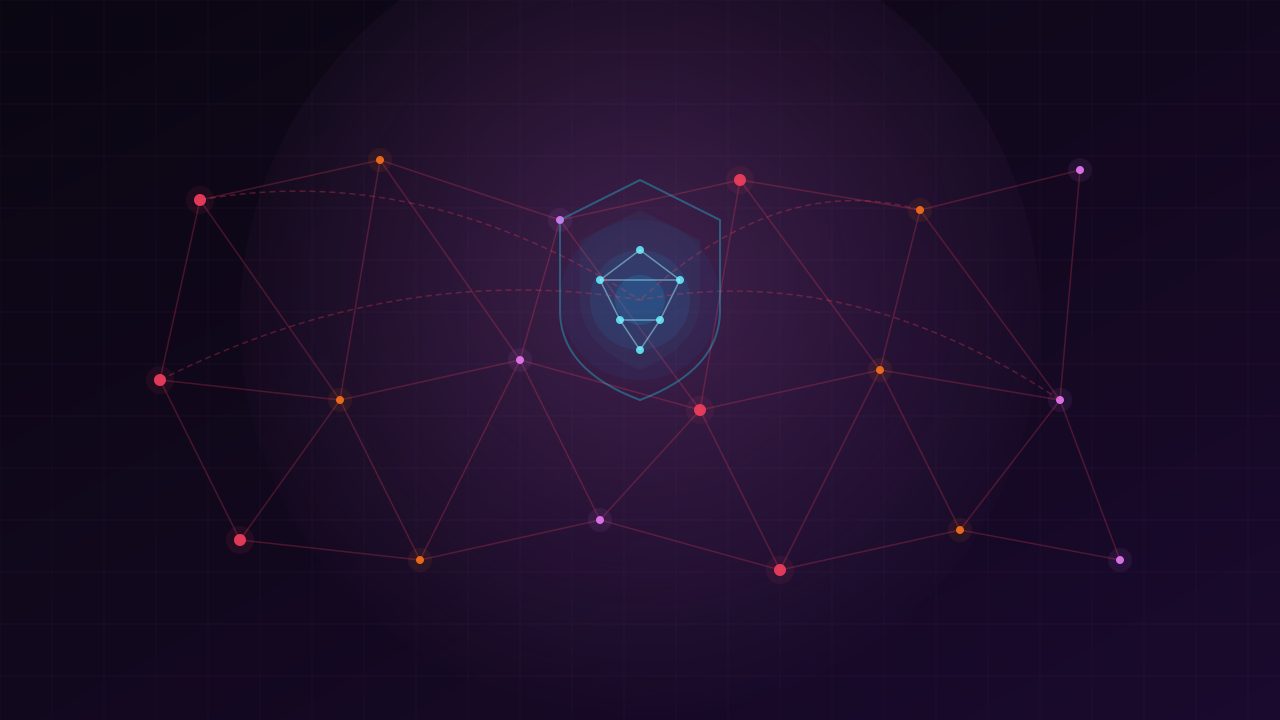
In 2026, technology is characterized by unprecedented connectivity and automation. Digital platforms are increasingly sophisticated and so are the ways they can be breached. We've reached a time when it has become a cybersecurity arms race, and not just a man versus man competition.
Traditional firewalls, standard encryption and reactive antivirus programs were the tools used for years by tech startups and digital businesses to safeguard their assets. Today those old defense mechanisms are completely outmoded. Today's threat environment demands a highly dynamic and proactive strategy to protecting enterprise information and the Web.
This comprehensive guide delves into the nightmare scenario of AI-powered cyber threats for 2026. Most importantly, it offers some innovative advanced tips on how to strengthen your digital organization, safeguard your users, and keep your tech business alive for the next generation of automated cyber warfare.
In 2026, Autonomous Cyber Threats Will Be the Norm
The biggest change in today's cybersecurity is the weaponisation of machine learning. Hackers don't have to code or carry out their attacks by hand. Instead, they utilize independent AI agents that can discover flaws, adjust to defenses, and carry out breaches at machine rate.
Security software was previously based on signature-based detection of files. In 2026, polymorphic malware is created automatically, with its underlying code architecture evolving every few seconds. This constant evolution makes the traditional antivirus signatures completely ineffective, allowing the malware to easily bypass the conventional endpoint protection without any problems.
In addition, ransomware is no longer just a script that encrypts files, but a sophisticated extortion platform. Now, smart ransomware will study a company's network to determine what is most critical and to gain access to backup servers. It will determine the maximum possible financial loss to the organisation that is being targeted, and then make sure that it is totally paralysed and is paying the ransom.
There's one part in any security system that is still the weakest link, and that is social engineering. But AI has taken phishing to a new level of multi-channel and hyper-personalized attacks, transforming it from a poorly written email. Generative AI can now scavenge social media, business directories and public records for perfectly crafted, highly targeted communication from threat actors.
The attacks typically involve deepfake audio and video. A fellow employee could be the sender of a voice message on the company messaging system that sounds just like your boss's, begging you to wire over some cash or provide him with logins. This is because these emails are not caught by traditional email filters and are using human psychology to cause massive enterprise data breaches.
The Tech Startups Expanding Attack Surface
With the growing complexity of web apps, the number of places attacks can come in is growing at an exponential rate. The digital attack surface of highly integrated platforms is even bigger in 2026, as tech startups are creating platforms.
Application Programming Interfaces (APIs) are the web's connective tissue that enable communication between different software systems. The current target for data exfiltration is however unsecured APIs. Attackers continuously use automated algorithms with AI-based scanners to exploit public and private APIs for vulnerabilities in authentication mechanisms, or for over-exposure of data.
One incorrectly configured API endpoint can result in millions of user records being exposed in the blink of an eye. Startups generally have a lot of attention on getting their core web interfaces secured and overlook the vast array of back-end APIs that can expose them to huge areas of vulnerability.
In 2026, hackers understand that it is hard to directly attack a well-defended tech company. Rather they go after the most vulnerable components in the software supply chain. This includes making changes to third party plugins, open source libraries or external SaaS tools that the startup uses on its platform.
When an attacker is able to poison a popular open source repository, that attack is downloaded and deployed by thousands of companies around the world. Protecting against supply chain attacks needs to be done with even greater diligence in the process of vetting all third-party code and maintaining constant monitoring of external dependencies.
Conclusion
The cybersecurity landscape of 2026 is an extreme environment where threats are autonomous, polymorphic malware is prevalent, and sophisticated social engineering tactics are increasingly common. Outdated security models are a recipe for failure for tech startups and large and established businesses alike. Through the comprehensive adoption of proactive defense strategies, with a special focus on API security, and by confronting offensive AI with predictive defensive AI, organizations can strengthen their digital border.
Sources are linked inline where a claim depends on external reporting.
About the author
Priya NairPriya writes about machine learning systems, developer tooling and the regulation catching up to both. She previously worked as an ML engineer on production recommendation systems.
The Daily Wire
One email. Everything that mattered.
A tight morning briefing on technology, AI and gaming — written by our editors, sent at 07:00 UTC. No sponsored filler, unsubscribe in one click.
We only use your address for the newsletter. See our privacy policy.
Discussion (2)
- Ravi K.2 hours ago
The point about efficiency gains not translating into lower peak power is the part everyone misses. My last build tripped the PSU on transients despite being 200W under the rating.
- Helena W.5 hours ago
Appreciate that the recommendations include 'hold, buy a monitor instead'. Rare to read that in hardware coverage.
Related reading
How to Pick Your Startup's Cheapest AI Model in 2026
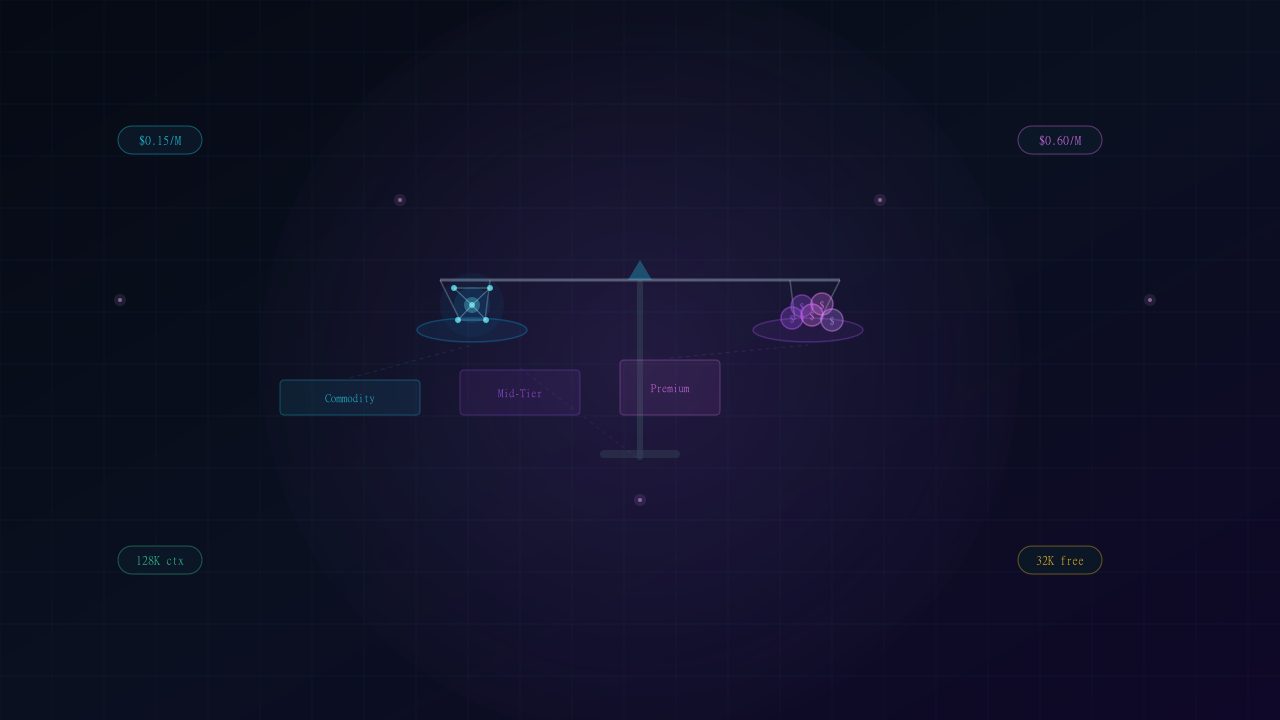
Every business has a quiet co-founder named Budget. The AI API market has significantly developed by 2026, and 'cheap' no longer equates to 'bad.' It entails being meticulous about what your product truly requires.
How to Use AI Agents for Workflow Automation in 2026
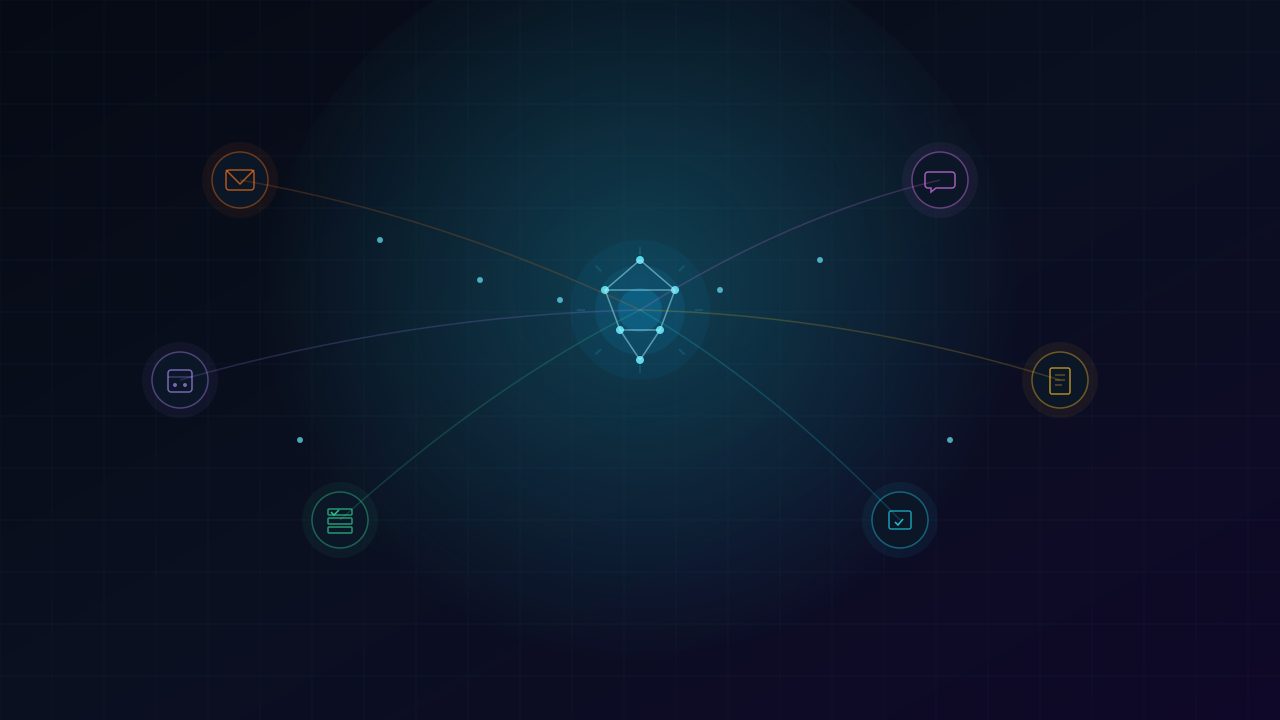
Your working lives have changed significantly. You no longer need to be directly involved in making every decision when you're in a constant context-switch between email, Slack, project management software, and calendars.
How to Use AI Tools for the Ultimate Gaming Experience in 2026
From AI upscaling to smart NPCs powered by language models, here's how AI tools are transforming the way we play, stream, and experience games in 2026.