How to Become a Tech and Game Reviewer in 2026: The Complete Guide
Turn your passion for gaming and hardware into a career. Here's exactly how to build an audience, get review copies, and become a trusted voice in tech.
· 8 min read
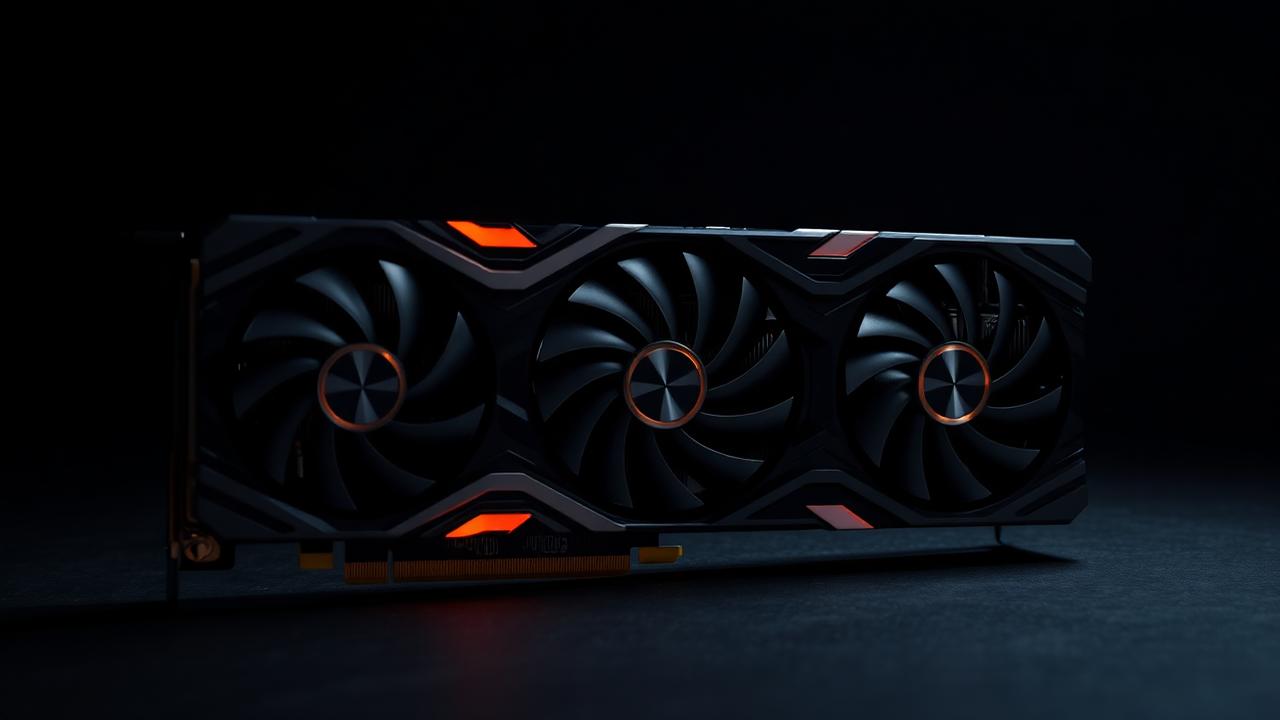
For those interested in starting a career as a tech and game reviewer in 2026, here's your complete guide — no matter your experience level, you'll have everything you need to know!
The gaming and tech industry is evolving more rapidly than ever before. New technology is rolling out almost monthly and dozens of video games are appearing weekly, leaving consumers with more choices than ever. They are in dire need of credible voices to tell them whether jumping on a $70 AAA game is worth their while or if that new budget GPU will produce solid 1080p performance. Given this huge demand, becoming a tech and game reviewer is one of the most exciting and rewarding careers you could pursue in 2026.
But this isn't a place for computer hardware enthusiasts or video game fans alone. It takes strategy, attention to detail, and a way with words to translate technical information into something readers actually care about. Here's a complete guide to the fundamentals of becoming a professional reviewer, building a following, and eventually landing early review copies.
1. Pick Your Niche
The most common mistake new reviewers make is trying to review everything. There's too much ground to cover in tech and gaming for one person to handle credibly. If you publish a smartphone review Monday, an indie puzzle game Wednesday, and a mechanical keyboard review Friday, you'll struggle to build a loyal audience.
You need a niche you're hyper-focused on in order to stand out. Consider what you're most passionate about and where your strengths lie.
- Gaming niches: Competitive First-Person Shooters (FPS), narrative-heavy RPGs, indie games, or horror games.
- Tech niches: Budget PC building components, gaming peripherals (mice, keyboards, headsets), or handheld gaming consoles.
The more narrowly defined your niche, the faster you'll build a loyal audience that trusts you as the go-to voice in that specific space.
2. Learn How to Write a Great Review
A professional review shouldn't be just a plot summary of a game or a spec sheet for a product. A good review includes deep analysis, context, and a clear verdict. If you want your reviews to actually get read, your content needs to be well organized.
For video game reviews: Avoid vague words like "fun" or "boring." Break the experience down into its individual components.
- Gameplay feel: Do the controls respond well? Does combat feel satisfying?
- Performance: Does the game run well? Cover frame rates (FPS), bugs, and overall optimization.
- Value: Does the amount of content and quality justify the price?
For tech and hardware reviews: Hardware reviews demand a more objective, data-driven approach.
- Build quality and design: Does the product feel premium or cheap? Is the design ergonomic?
- Benchmarks and testing: Never take manufacturer claims at face value. For a GPU, run real games and log the actual FPS and temperatures. Use tools like MSI Afterburner or 3DMark to give your readers hard numbers.
- Price-to-performance: This is critical for budget tech — always compare the product against its direct competitors in the same price range.
3. Build Your Platform and Portfolio
Before a PR agency or developer sends you free products to review, they need proof you can actually produce high-quality content. You need a professional platform to host your work.
Starting a dedicated tech and gaming blog is one of the best ways to establish authority. Written reviews remain incredibly effective because they're easy to scan, highly searchable, and perfect for detailed technical analysis. Invest time in creating a clean, professional-looking site.
Once your platform is live, start reviewing things you already own — the PC you're using, the headset you wear daily, or a game you recently bought. Aim to publish 10 to 15 high-quality, comprehensive reviews. This body of work becomes your professional portfolio.
4. How to Get Review Copies and Hardware
This is the goal for most aspiring reviewers: getting free games and tech ahead of their release dates. Once you have a solid portfolio and a small but engaged audience, you can start reaching out to publishers and hardware brands.
- For gaming: Don't start by pitching major publishers like EA or Sony for their biggest releases. Start small — reach out to indie developers on X (formerly Twitter) or via their official contact emails. Introduce yourself, link your portfolio, and politely ask if they have a press key available. You can also sign up for platforms like Keymailer, Terminals.io, and Woovit, which connect content creators directly with publishers offering review codes.
- For tech: Hardware is far more expensive than digital game keys, so brands are much stricter. Start by reviewing budget items or accessories. Connect with PR representatives from companies like Corsair, Logitech, or smaller peripheral brands on LinkedIn. Send a professional pitch explaining how featuring their product benefits their brand by reaching your specific audience.
5. Maintain Honesty and Objectivity
Your reputation is your most valuable asset as a reviewer. If your audience feels like you're just a paid spokesperson for hardware companies or game developers, they'll stop trusting you.
Always be transparent — if you received a free game key or a piece of hardware from a manufacturer, disclose that at the very start of your review. Don't be afraid to point out flaws, either. A review that highlights both positives and negatives is far more authentic and useful than one that's uniformly positive. Brands respect honest feedback, and your audience will respect your integrity.
Conclusion
Getting started as a tech and game reviewer takes patience, consistency, and genuine passion for the industry. By narrowing down your niche, structuring your reviews to provide real value, building a solid portfolio, and maintaining your objectivity, you can turn your love for gaming and hardware into a respected platform. Start writing today, analyze the gear you already have, and take that first step into the world of professional reviewing.
Sources are linked inline where a claim depends on external reporting.
About the author
Daniel ReyesDaniel builds, benchmarks and breaks PCs for a living. He maintains HowToGetVia's GPU and CPU test bench and has published performance analysis on more than 300 components.
The Daily Wire
One email. Everything that mattered.
A tight morning briefing on technology, AI and gaming — written by our editors, sent at 07:00 UTC. No sponsored filler, unsubscribe in one click.
We only use your address for the newsletter. See our privacy policy.
Discussion (2)
- Ravi K.2 hours ago
The point about efficiency gains not translating into lower peak power is the part everyone misses. My last build tripped the PSU on transients despite being 200W under the rating.
- Helena W.5 hours ago
Appreciate that the recommendations include 'hold, buy a monitor instead'. Rare to read that in hardware coverage.
Related reading

Best Noise-Cancelling Headphones for Remote Work in 2026
If you buy remote-work headphones the way you'd buy music headphones, you'll regret it within a week. Here's what actually matters for calls, comfort, and focus.
Best AI Writing Assistants in 2026: Tested and Reviewed
From Nice-to-Have to Essential. After weeks of hands-on testing, here's which AI writing assistant actually fits your workflow.
Best Budget Laptops for AI and Coding in 2026: Reviewed
The budget segment has quietly gotten excellent. For around a thousand dollars, you can buy a machine that handles real development work and light AI tasks.