How to Start an AI Tech Startup in 2026: A Step-by-Step Guide
You don't need to build your own AI from scratch anymore. Here's how founders are launching profitable AI startups in 2026 using existing infrastructure.
· 7 min read
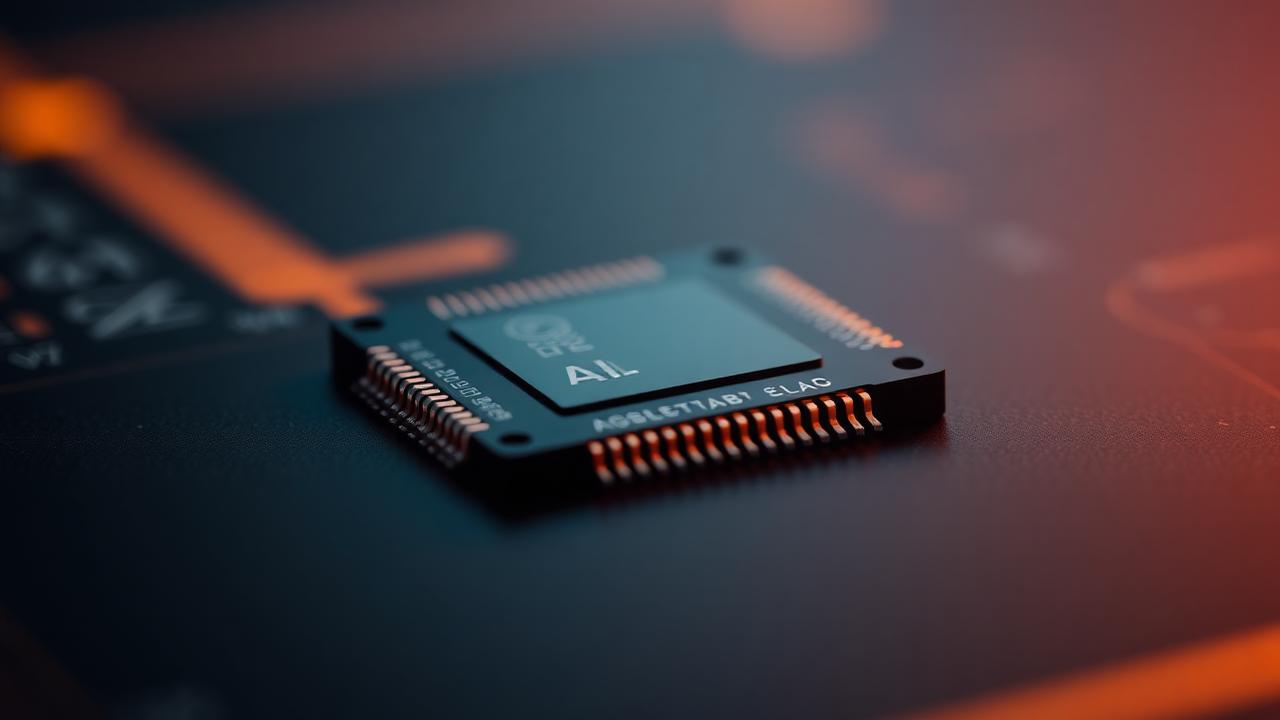
AI is not a distant future dream, it's a present reality for today's business and technology. AI has become a crucial part of the software industry, gaming, productivity tools, and daily technology applications in 2026. If you are a visionary entrepreneur or developer, there is no better and more profitable business to launch than an AI tech startup.
The barrier to entry has, however, changed. The days of having to have a large data science team developing basic AI models from scratch are behind you. Rather, the key to success in 2026 will be in recognizing unique problems and using existing AI technologies in creative ways to address them. If you want to venture into the world of AI tech startups, this guide will help you understand the steps you need to take to launch and grow your startup.
1. Determine a Highly Specific Tech Niche
The most common mistake for a new founder is to develop a generic "AI assistant" that "handles everything." There are already tech giants dominating that arena. The trick to success is to niche down and address a very specific need in a very specific industry.
Instead of creating a general AI writer, you can create an AI that generates specific code blocks for indie game development, or an AI that analyzes server performance in web hosting. Find a particular micro-niche within the tech or gaming industry and develop a focused product that a specific user group really wants and is willing to pay for.
2. Make Use of Existing AI Infrastructure
In 2026, you don't have to train your own Large Language Models (LLMs) from scratch — that can cost millions of dollars in server charges. Rather, the best approach is to build on top of an existing platform.
Companies like OpenAI, Google, and Anthropic offer powerful APIs that you can integrate into your software. What your startup actually contributes on top of the underlying AI model is the unique user interface (UI), the specific data you feed into the model, and the automated workflows you build for your users. This dramatically reduces your development expenses and shortens your time to market.
3. Develop a Minimum Viable Product (MVP) Quickly
In the fast-paced world of technology, speed is essential. Focus on developing a Minimum Viable Product (MVP) as quickly as possible — a simplified version of your software with just the essential features needed to address your target audience's problem.
Don't spend six months on refinement and secondary design. Integrate your chosen AI API with a basic, accessible web interface using low-code solutions or lightweight frameworks. Launch the MVP, get it into real users' hands, and start collecting feedback. This feedback is essential — it tells you what to build next and whether your core concept has real market interest.
4. Secure the Right Cloud and Hosting Resources
AI applications can consume a lot of resources. Every time a user generates a response, analyzes an image, or processes data, it demands real computing power. Choosing the right infrastructure is an essential part of running your tech startup.
Use scalable cloud hosting solutions — many providers offer programs with free credits to help you cover your first server and API bills. Monitor your profit margins carefully; your subscription price to users must exceed the cost of the API calls they generate. Good resource management in the early stages will prevent your startup from running into financial trouble down the road.
5. Improve User Experience (UX) and Integration
The AI tools that succeed in 2026 will be the ones where the AI is completely invisible. Users don't want to be prompted — they want a solution that does the work without them having to think about it.
Pay close attention to User Experience (UX). If you're building a tool that helps gamers optimize their PC with AI, it should feel like pressing a single button, not operating a complicated command line. Additionally, integrate your tool with platforms your users already use — Discord, Slack, or GitHub. The more seamless your AI solution feels, the faster your startup grows.
6. Apply for Funding and Scale
Once you have an MVP with active users and a working business model, it's time to scale. Funding opportunities are abundant in the AI space due to its high growth potential.
You can choose to bootstrap — fund growth using your own early revenue to retain 100% control over your company — or approach Angel Investors or Venture Capital (VC) firms that focus on early-stage tech startups. A clear roadmap, a solid understanding of your API pricing, and a steadily growing customer base will make it much easier to pitch to investors.
Conclusion
Starting an AI tech startup in 2026 is less about inventing new algorithms and more about applying existing tools intelligently, moving fast, and prioritizing user experience. You can build a successful business by choosing a focused tech niche, leveraging current AI APIs, shipping an MVP quickly, and concentrating on seamless integration. Technology is moving fast, and it's never too late to start building your AI solution.
Sources are linked inline where a claim depends on external reporting.
About the author
Priya NairPriya writes about machine learning systems, developer tooling and the regulation catching up to both. She previously worked as an ML engineer on production recommendation systems.
The Daily Wire
One email. Everything that mattered.
A tight morning briefing on technology, AI and gaming — written by our editors, sent at 07:00 UTC. No sponsored filler, unsubscribe in one click.
We only use your address for the newsletter. See our privacy policy.
Discussion (2)
- Ravi K.2 hours ago
The point about efficiency gains not translating into lower peak power is the part everyone misses. My last build tripped the PSU on transients despite being 200W under the rating.
- Helena W.5 hours ago
Appreciate that the recommendations include 'hold, buy a monitor instead'. Rare to read that in hardware coverage.